

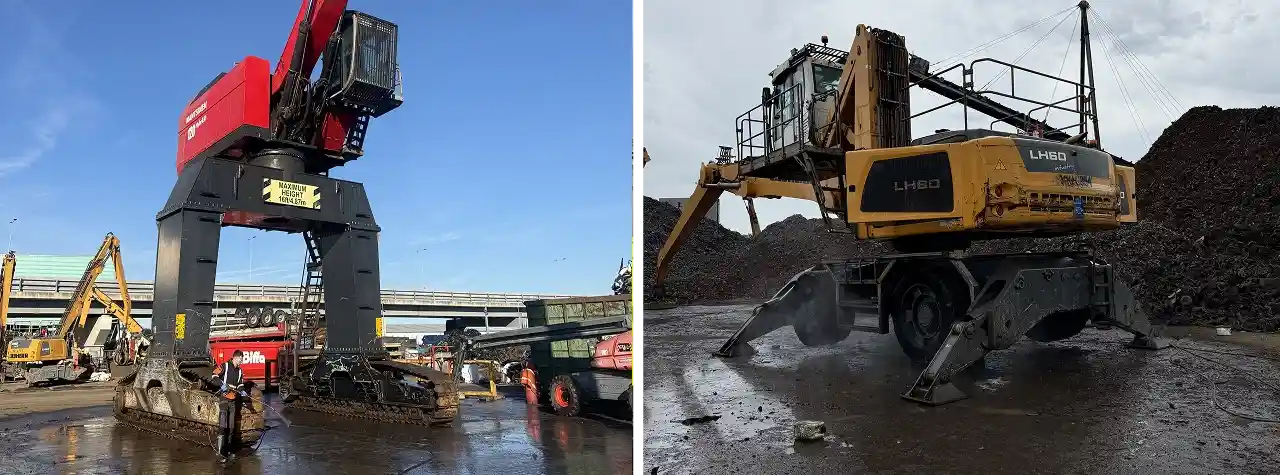
Heavy plant and machinery operate in some of the toughest working environments. Whether on construction sites, recycling facilities, ports, quarries or industrial plants, equipment is constantly exposed to mud, grease, dust, hydraulic oil and other contaminants.
While it's easy to focus on keeping machinery operational, regular cleaning plays an important role in protecting equipment, supporting maintenance and improving workplace safety.
A professional heavy plant cleaning programme is about far more than appearance—it's about helping machinery perform at its best.
Heavy plant cleaning isn't simply about making equipment look presentable.
The primary objective is to remove the build-up of dirt, grease and debris that can hide mechanical issues, restrict access for engineers and increase maintenance time.
By keeping machinery clean, businesses can make inspections easier and help identify problems before they become costly repairs.
Over time, contamination can build up around critical components, making routine servicing more difficult.
Professional cleaning helps expose areas such as:
Removing heavy deposits of grease and dirt allows engineers to carry out maintenance more efficiently and safely.
A clean machine makes it easier to spot issues that may otherwise go unnoticed.
During inspections, engineers are better able to identify:
Detecting these problems early can help reduce unexpected breakdowns and minimise costly downtime.
Heavy accumulations of grease, mud and oil can create unnecessary hazards around machinery.
Regular cleaning helps reduce:
Cleaner equipment provides a safer working environment for operators, maintenance teams and site personnel.
Many types of heavy plant generate significant heat during operation.
When grease, dust and other combustible materials build up around engines or exhaust systems, they can increase the risk of fire.
Routine cleaning helps remove this build-up, reducing potential fire hazards and helping machinery remain safe to operate.
Professional heavy plant cleaning is suitable for equipment including:
Each machine requires a cleaning approach suited to its design, operating environment and maintenance requirements.
Modern heavy plant contains electrical systems, sensors and hydraulic components that require careful handling during cleaning.
Experienced operators understand how to clean machinery safely while protecting sensitive areas and following site-specific procedures.
Planning the cleaning process correctly helps ensure equipment is cleaned effectively without disrupting operations.
Many businesses schedule heavy plant cleaning ahead of:
Preparing machinery in advance allows engineers to begin work immediately, reducing delays and improving maintenance efficiency.
Heavy plant cleaning is an essential part of maintaining reliable, efficient and safe machinery. By removing grease, dirt and industrial contamination, businesses can improve access for engineers, identify faults earlier and support planned maintenance programmes.
Whether operating in construction, waste management, ports, recycling or industrial environments, regular professional cleaning helps protect valuable equipment, reduce downtime and keep machinery performing at its best.

What the HGV MOT test checks underneath, why dirty or unladen lorries get turned away, 2026 test fees, and a pre-MOT checklist for transport managers.

Mobile fleet washing explained: how a visit works at your depot, what your site provides, and real jobs for Poundland, Peel Ports and Barnsley Council.
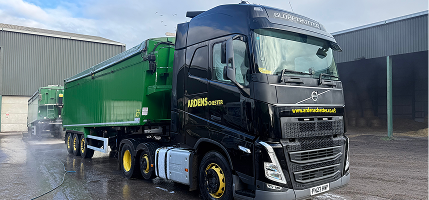
Compare 7 fleet management tools for waste and municipal fleets in 2026, and see where waste & municipal fleet cleaning fits into your maintenance plan.






Select the service you're interested in and we'll guide you
through a tailored quote process.
Available 24/7
WHAT DO YOU NEED
CLEANED?
Tell us about
your assets
Where are
you located?
Contact
details
Review &
submit

Your quote request has been received.
Our team will review your requirements and get back to you within: