

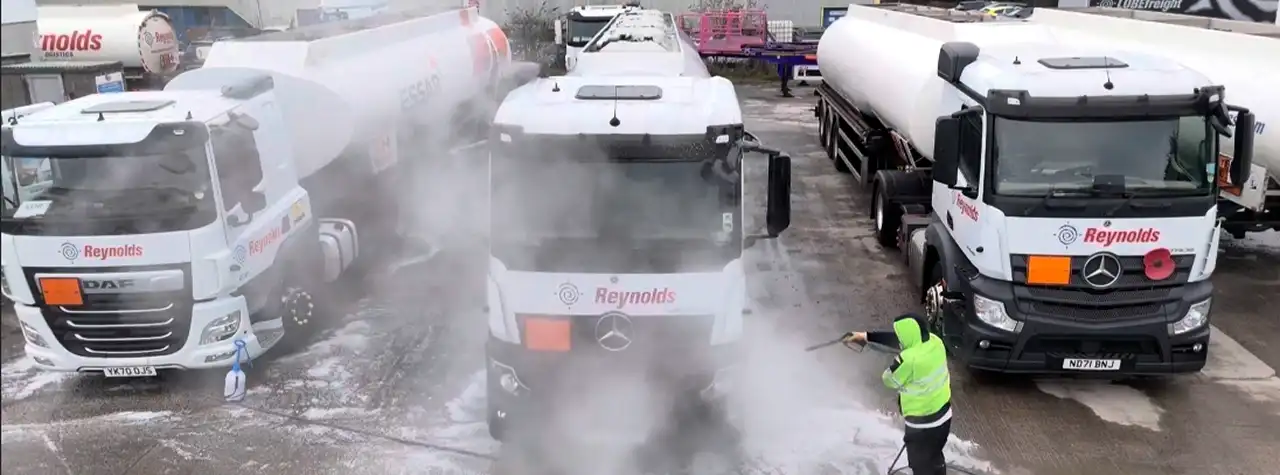
When it comes to cleaning commercial vehicles, not all pressure washing systems are the same. While cold water can remove loose dirt, hot water pressure washing is far more effective at breaking down grease, oil and stubborn road contamination.
For fleet operators, this means cleaner vehicles, improved maintenance access and better long-term protection for valuable assets.
Hot water is far more effective than cold water when cleaning commercial vehicles.
The heat helps soften and dissolve contaminants that would otherwise be difficult to remove, allowing cleaning products to work more efficiently and reducing the need for excessive pressure.
This results in a deeper, more effective clean without increasing the risk of damaging vehicle surfaces.
Commercial vehicles are constantly exposed to grease, oil and other contaminants.
These can build up around:
Hot water breaks down these deposits much faster than cold water, leaving components cleaner and easier to inspect.
One of the biggest challenges when cleaning HGVs is removing traffic film.
This thin layer of dirt, diesel residue and airborne pollutants sticks to the paintwork and can leave vehicles looking dull even after washing.
Hot water, combined with the correct cleaning products, lifts road film far more effectively, restoring a cleaner and brighter finish.
A clean vehicle is much easier to maintain.
Removing grease and dirt from mechanical components allows engineers to identify:
This can reduce workshop preparation time and make servicing more efficient.
Contaminants such as road salt, mud and industrial fallout can gradually damage paintwork if left to build up.
Regular hot water washing removes these harmful substances before they can cause long-term damage, helping to:
Hot water pressure washing is particularly effective for vehicles operating in demanding environments, including:
These vehicles often accumulate heavy grease and industrial contamination that cannot be effectively removed using cold water alone.
Cold weather presents additional cleaning challenges.
Road salt, grit and mud can quickly build up underneath commercial vehicles during the winter months.
Hot water helps dissolve salt deposits more effectively, reducing the risk of corrosion while delivering better cleaning performance even in colder temperatures.
Because hot water removes contamination more quickly, cleaning can often be completed more efficiently.
Benefits include:
Hot water pressure washing is suitable for a wide range of commercial fleets, including:
Whether cleaning a small fleet or hundreds of vehicles, hot water delivers consistently high-quality results.
Hot water pressure washing is one of the most effective methods of cleaning commercial vehicles. It removes grease, oil and road film more efficiently than cold water, supports vehicle maintenance and helps protect valuable fleet assets.
Combined with the correct cleaning techniques and professional equipment, hot water washing provides a deeper, longer-lasting clean that keeps commercial vehicles looking professional while making servicing and inspections easier.
Investing in professional hot water fleet washing helps businesses maintain their vehicles to a higher standard, improve efficiency and protect the long-term value of their fleet.

What the HGV MOT test checks underneath, why dirty or unladen lorries get turned away, 2026 test fees, and a pre-MOT checklist for transport managers.

Mobile fleet washing explained: how a visit works at your depot, what your site provides, and real jobs for Poundland, Peel Ports and Barnsley Council.
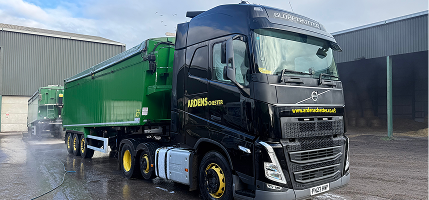
Compare 7 fleet management tools for waste and municipal fleets in 2026, and see where waste & municipal fleet cleaning fits into your maintenance plan.






Select the service you're interested in and we'll guide you
through a tailored quote process.
Available 24/7
WHAT DO YOU NEED
CLEANED?
Tell us about
your assets
Where are
you located?
Contact
details
Review &
submit

Your quote request has been received.
Our team will review your requirements and get back to you within: