

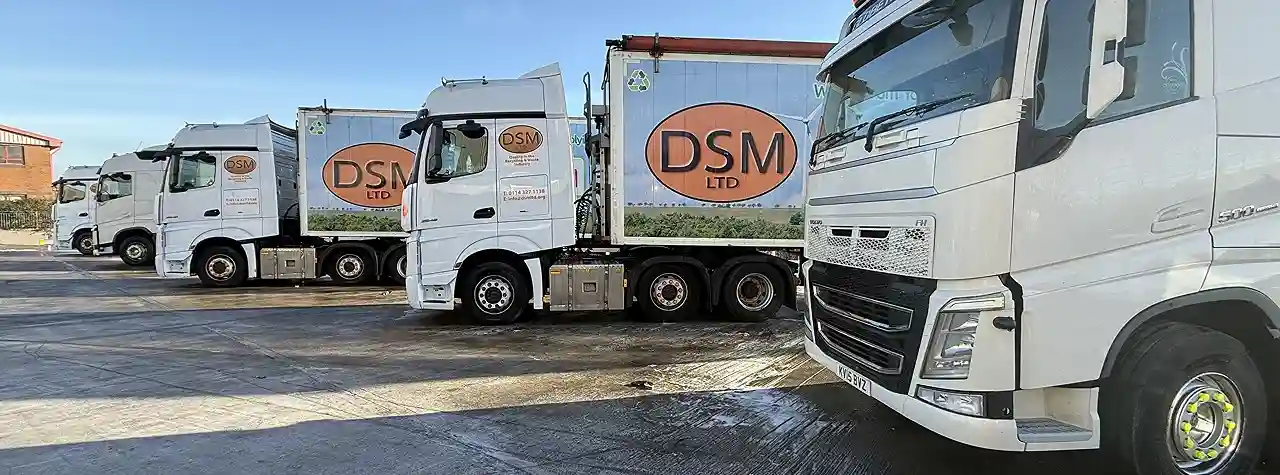
Keeping a commercial fleet clean isn't just about appearance. Regular fleet washing helps protect valuable assets, supports routine maintenance and ensures your business projects a professional image wherever your vehicles travel.
One of the questions fleet operators ask most is, "How often should our vehicles be washed?"
The answer depends on the type of vehicle, the environment it operates in and the work it carries out.
Every fleet is different.
A vehicle travelling hundreds of motorway miles each week has different cleaning requirements to a refuse collection vehicle working in residential streets or a tipper operating on construction sites.
Different industries and vehicle types can have very different cleaning requirements. The ideal cleaning schedule should reflect how quickly contamination builds up and the standards your business wants to maintain.
For haulage companies and logistics operators, a weekly or fortnightly external wash is usually recommended.
These vehicles spend long hours on the road, collecting:
Regular washing helps protect paintwork, improve vehicle presentation and reduce long-term corrosion.
Refuse collection vehicles work in one of the harshest operating environments.
Food waste, household waste, recycling materials and general contamination can quickly build up around:
Many operators choose:
For operators managing refuse and recycling vehicles, specialist waste and municipal fleet cleaning can help maintain hygiene, presentation and vehicle condition.
Plant machinery and construction vehicles are regularly exposed to:
Cleaning frequencies often depend on how the equipment is used, but regular plant and machinery cleaning before servicing helps engineers inspect machinery more effectively and identify potential issues earlier.
Businesses transporting food, beverages or pharmaceutical products often require more frequent cleaning to maintain hygiene standards.
In addition to external washing, many operators also schedule:
Maintaining clean loading areas helps support hygiene procedures and creates a professional impression during deliveries.
Council fleets and municipal contractors often operate on planned maintenance programmes.
These can include:
A structured cleaning programme helps maintain fleet presentation while supporting workshop efficiency.
Vehicle cleaning shouldn't remain the same throughout the year.
During winter, road salt and grit can significantly increase the risk of corrosion, making more frequent washing particularly important.
In summer, dust, insects and dry road film can quickly affect the appearance of vehicles, especially those travelling long distances.
Reviewing cleaning schedules throughout the year helps ensure vehicles remain protected in all conditions.
You may benefit from increasing your cleaning frequency if you notice:
Increasing the frequency of cleaning can help prevent these issues from becoming more costly over time.
The best cleaning programme is one that's tailored to your operation.
Factors to consider include:
Many businesses combine regular exterior washing with planned deep cleans and MOT & Service Preparation Washes throughout the year.
There is no universal answer to how often commercial vehicles should be washed. The right schedule depends on your industry, your operating environment and the role each vehicle performs.
A planned fleet cleaning programme helps protect valuable assets, improve your company's image, support maintenance and keep vehicles operating safely and efficiently.
Whether you manage a small fleet or hundreds of commercial vehicles, regular professional cleaning is an investment that delivers long-term benefits for both your business and your vehicles.
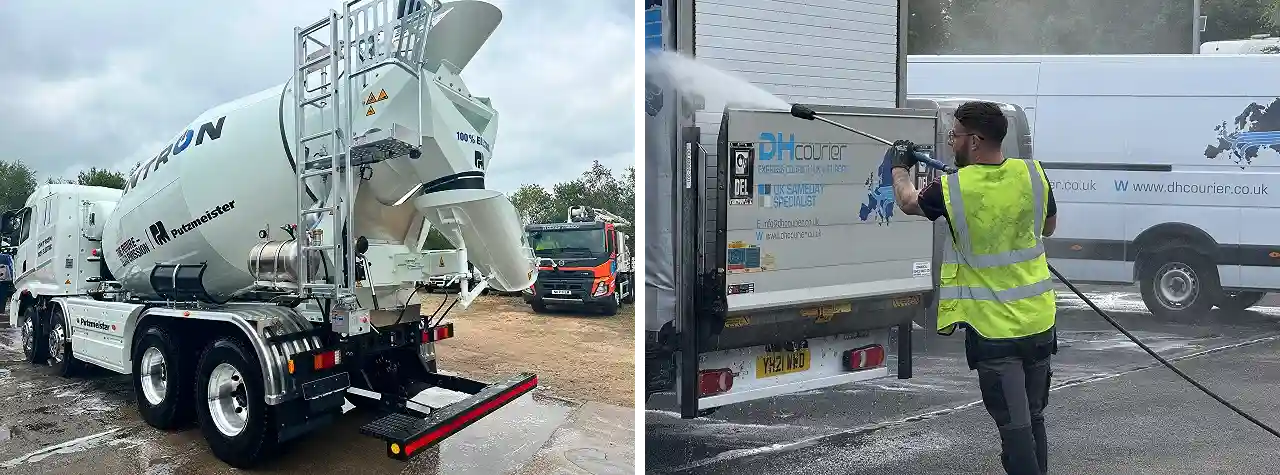
When people think of vehicle washing, they often picture a quick exterior clean to improve appearance. However, an MOT & Service Preparation Wash is a specialist cleaning process designed to prepare commercial vehicles for servicing, maintenance and MOT inspections.
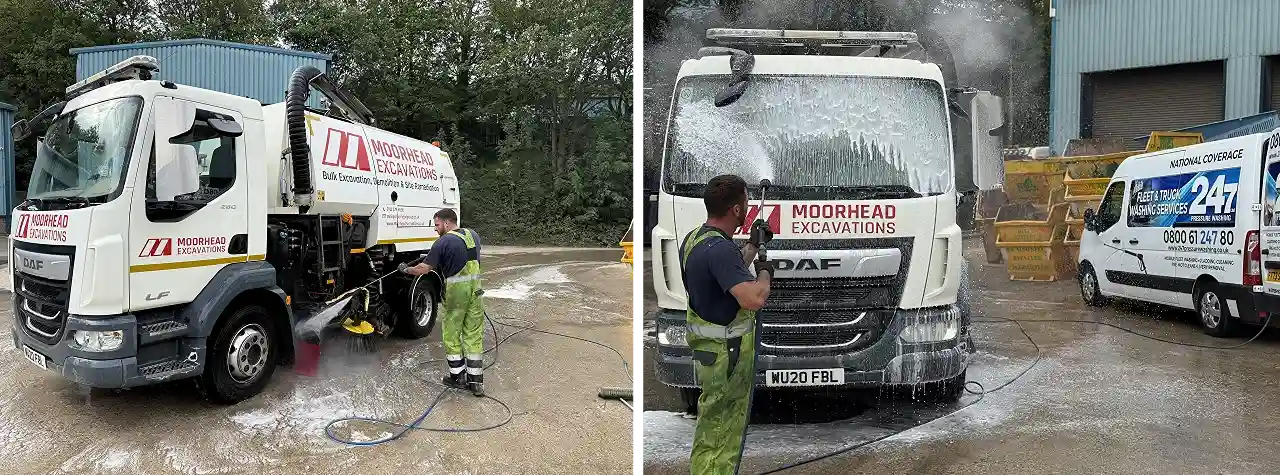
When commercial vehicles are washed, it's not just dirt that's removed. Wash water often contains oil, grease, fuel residues, brake dust, detergents and other contaminants that can pose a risk to the environment if they are allowed to enter surface water drains.
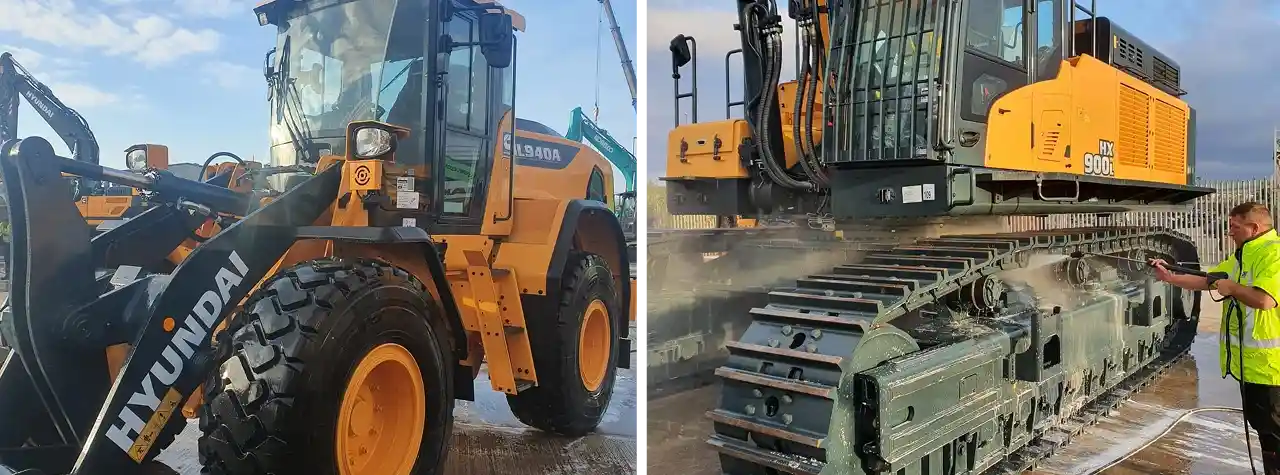
For many businesses, keeping a fleet clean is essential, but not every depot has a dedicated vehicle wash facility. Limited space, no water supply, unsuitable drainage or operational demands can make traditional vehicle washing difficult.



.webp)


Select the service you're interested in and we'll guide you
through a tailored quote process.
Available 24/7
WHAT DO YOU NEED
CLEANED?
Tell us about
your assets
Where are
you located?
Contact
details
Review &
submit

Your quote request has been received.
Our team will review your requirements and get back to you within: